
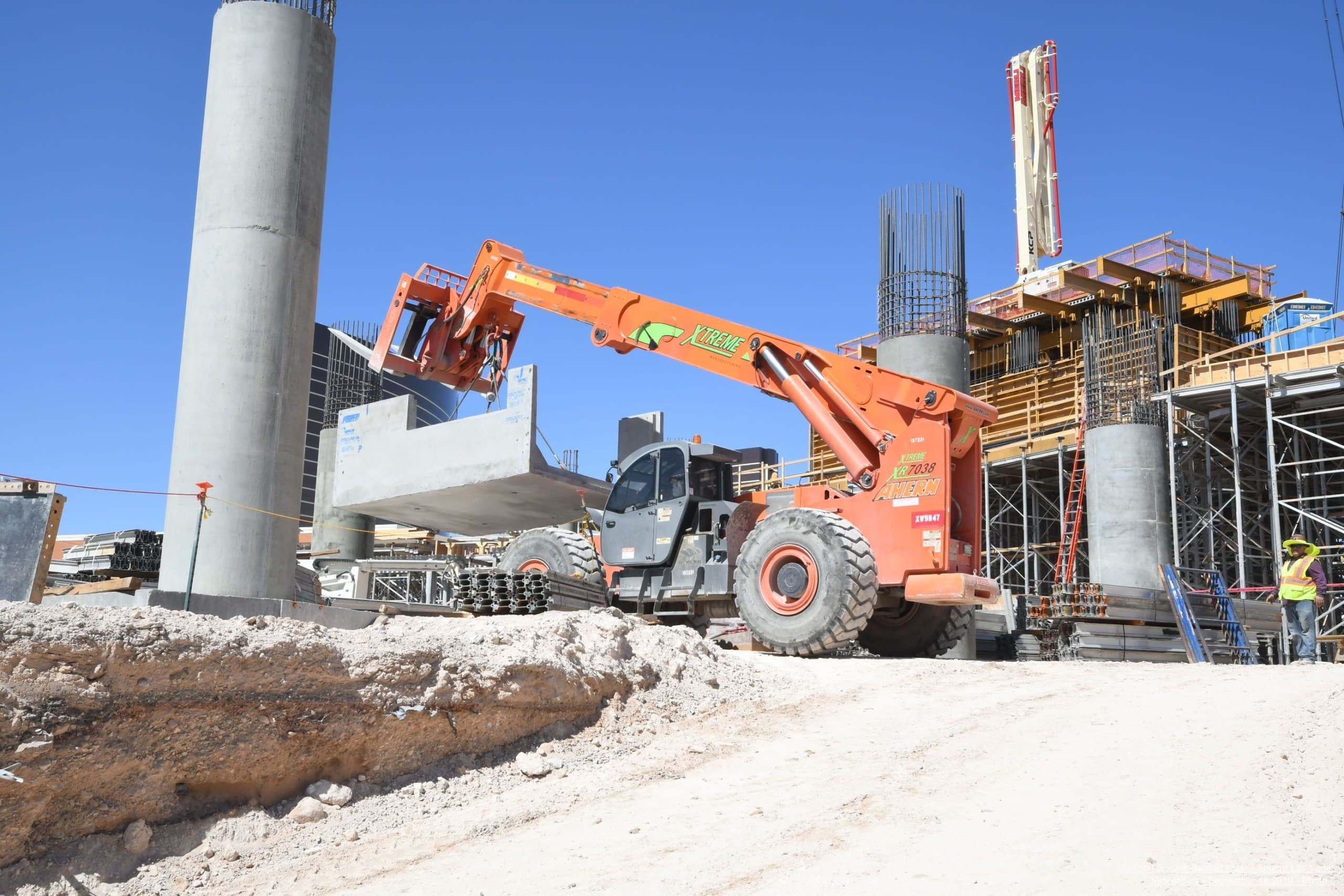
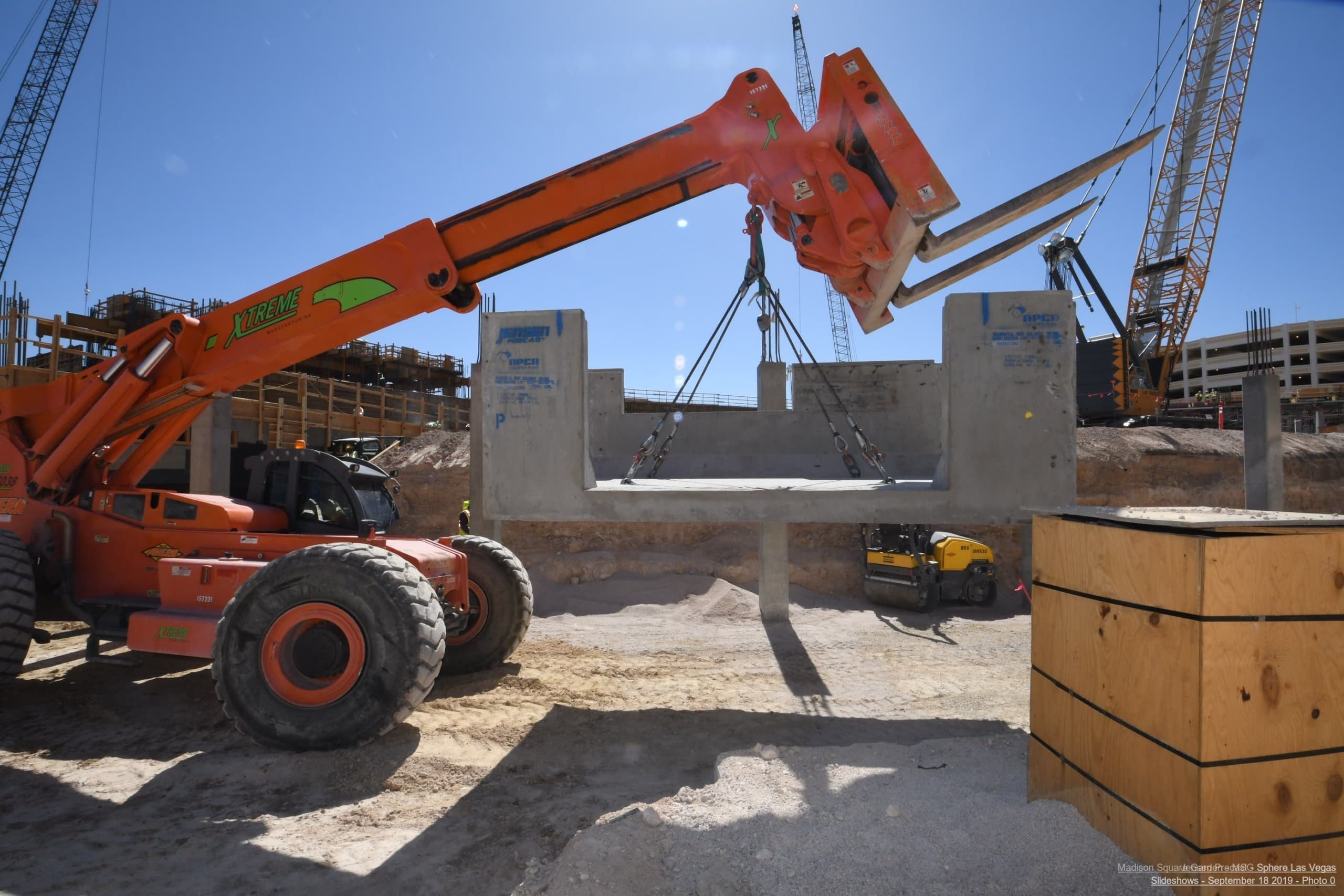
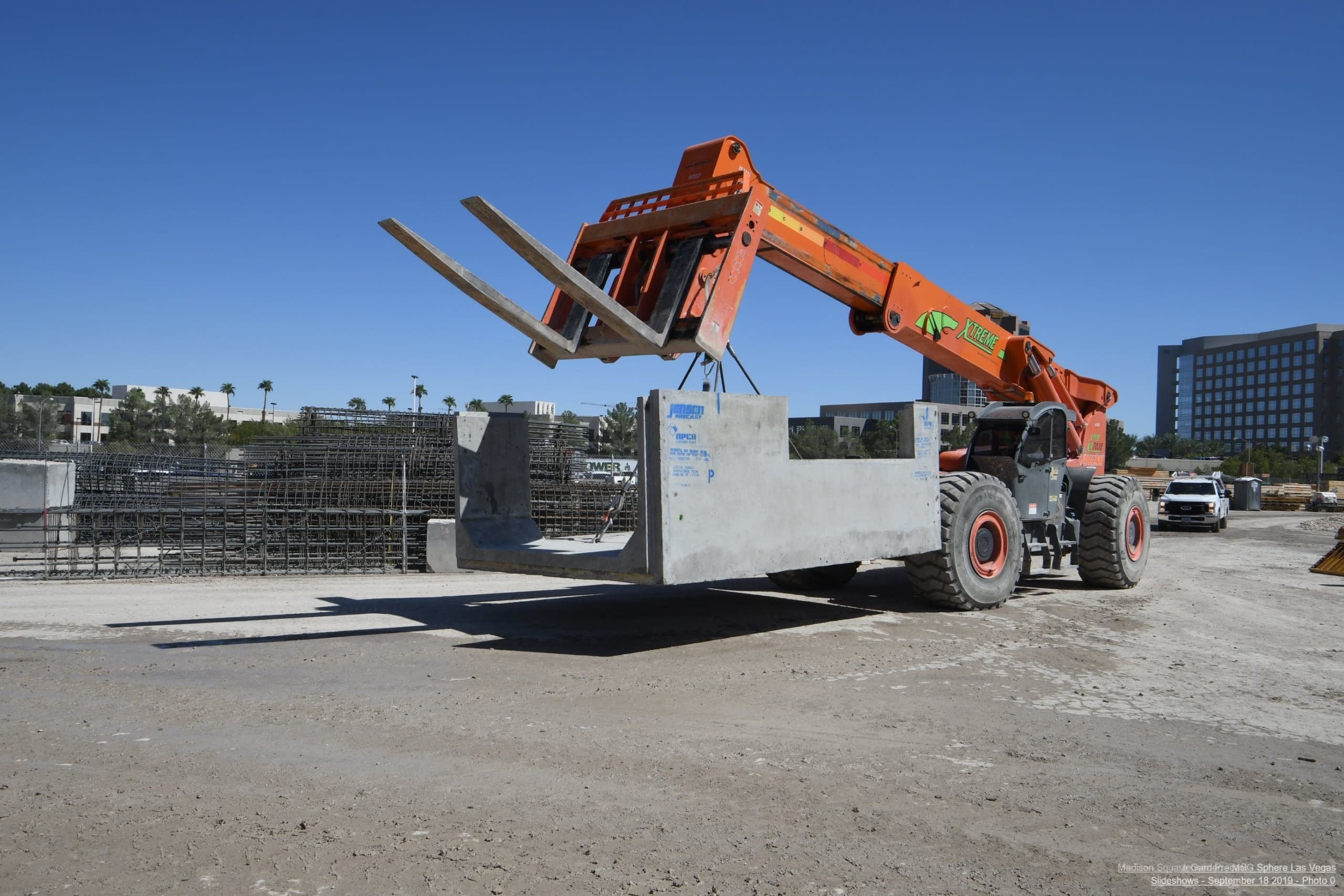
“We had to transition from that type of lay length to a cantilevered wall structure box culvert, which has the capability – because of the design of the structure – to go with bigger openings.”
Thinking Inside the Box: MSG Sphere
Project Details
Project Owners
Madison Square Garden Company/Las Vegas Sands Corporation
Architect/Engineer
Populous/Severud Associates
Contractor
AECOM/Harris Company
Products
Box Culvert and Cantilevered Wall Structure Box Culvert
Location
Las Vegas, Nevada
Market
Power Utility Infrastructure, Specialty Solutions
About the Project
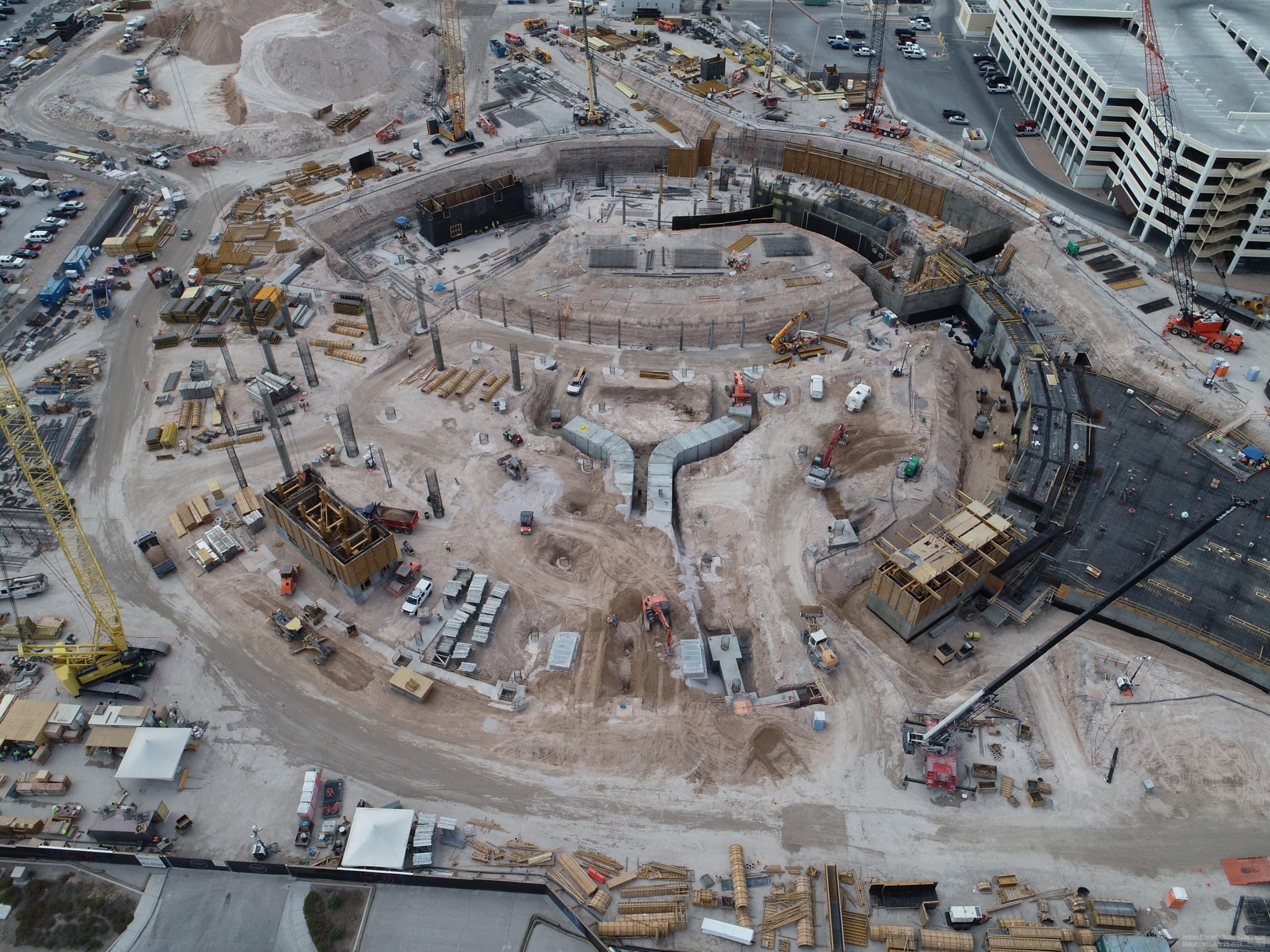
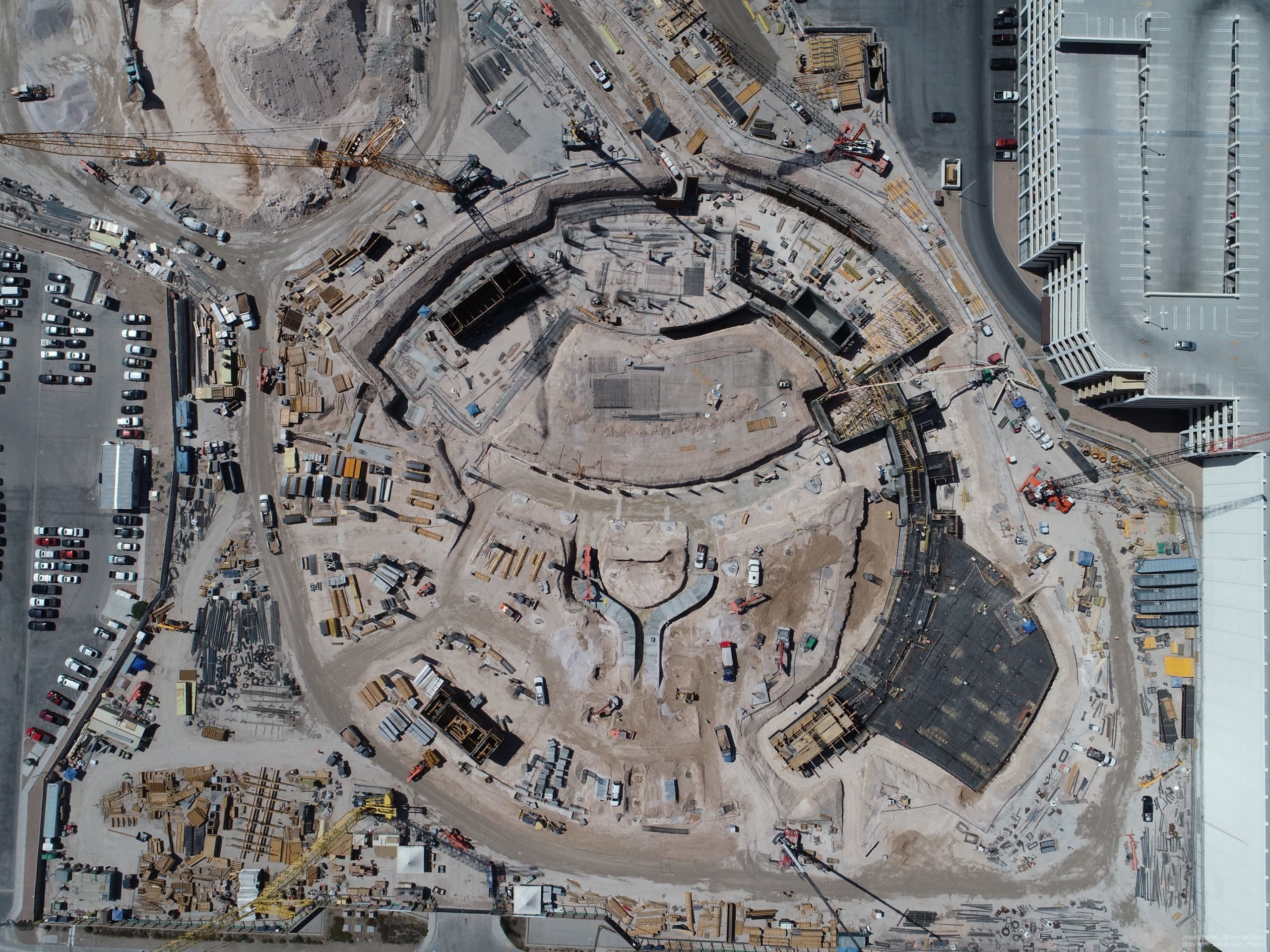
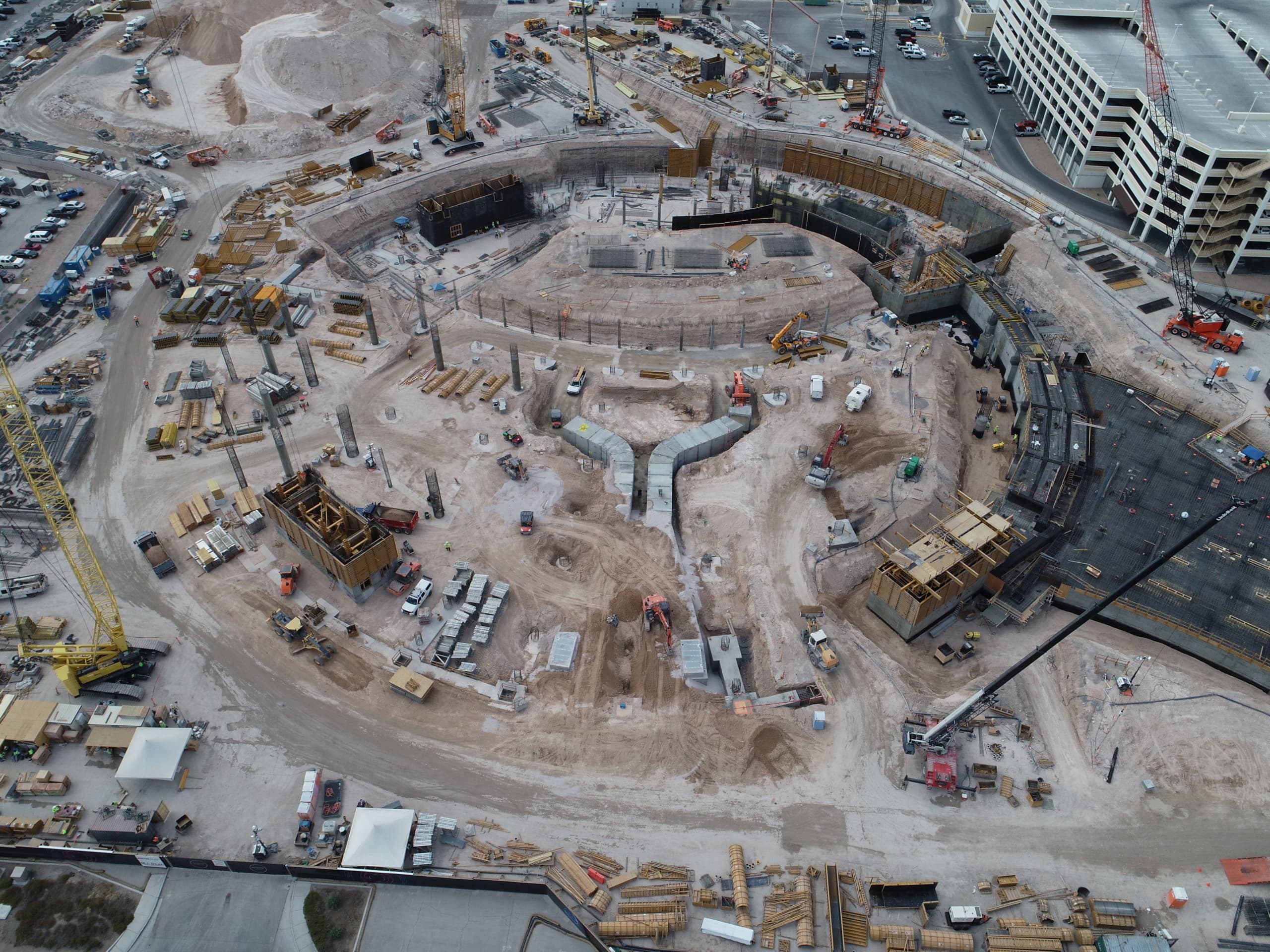
Las Vegas is anything but ordinary and boasts eclectic architecture that is a visual treat. The MSG Sphere, a $1.66 billion entertainment venue under construction at the Venetian Resort, will be no different when it is completed in 2023. The structure will include approximately 875,000 sq. ft. of interior space, a seating capacity of up to 20,000, and a fully programmable LED exterior. When completed, it will be a one-of-a-kind design, which will offer an immersive sensory experience unlike any other in the world.
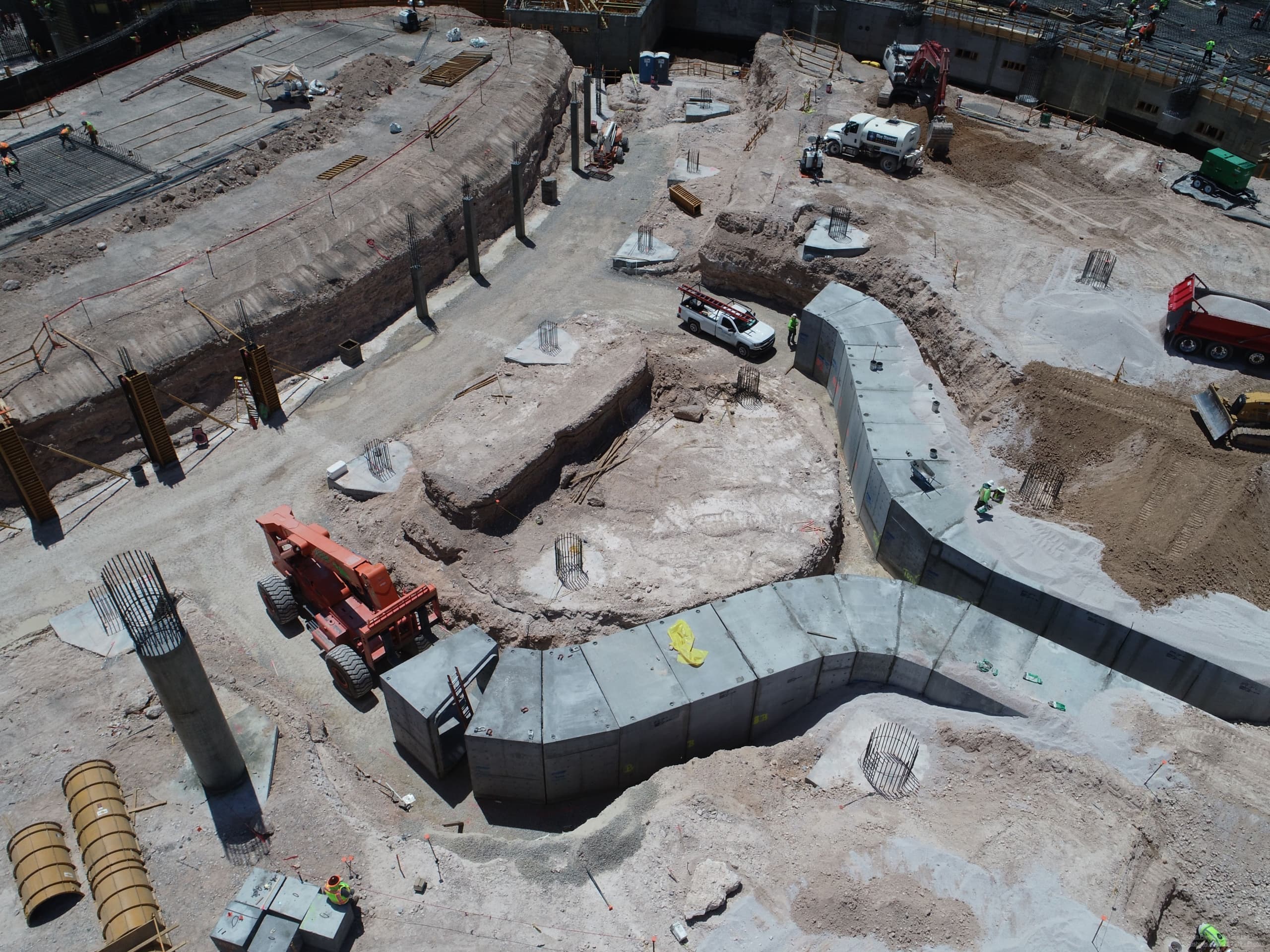
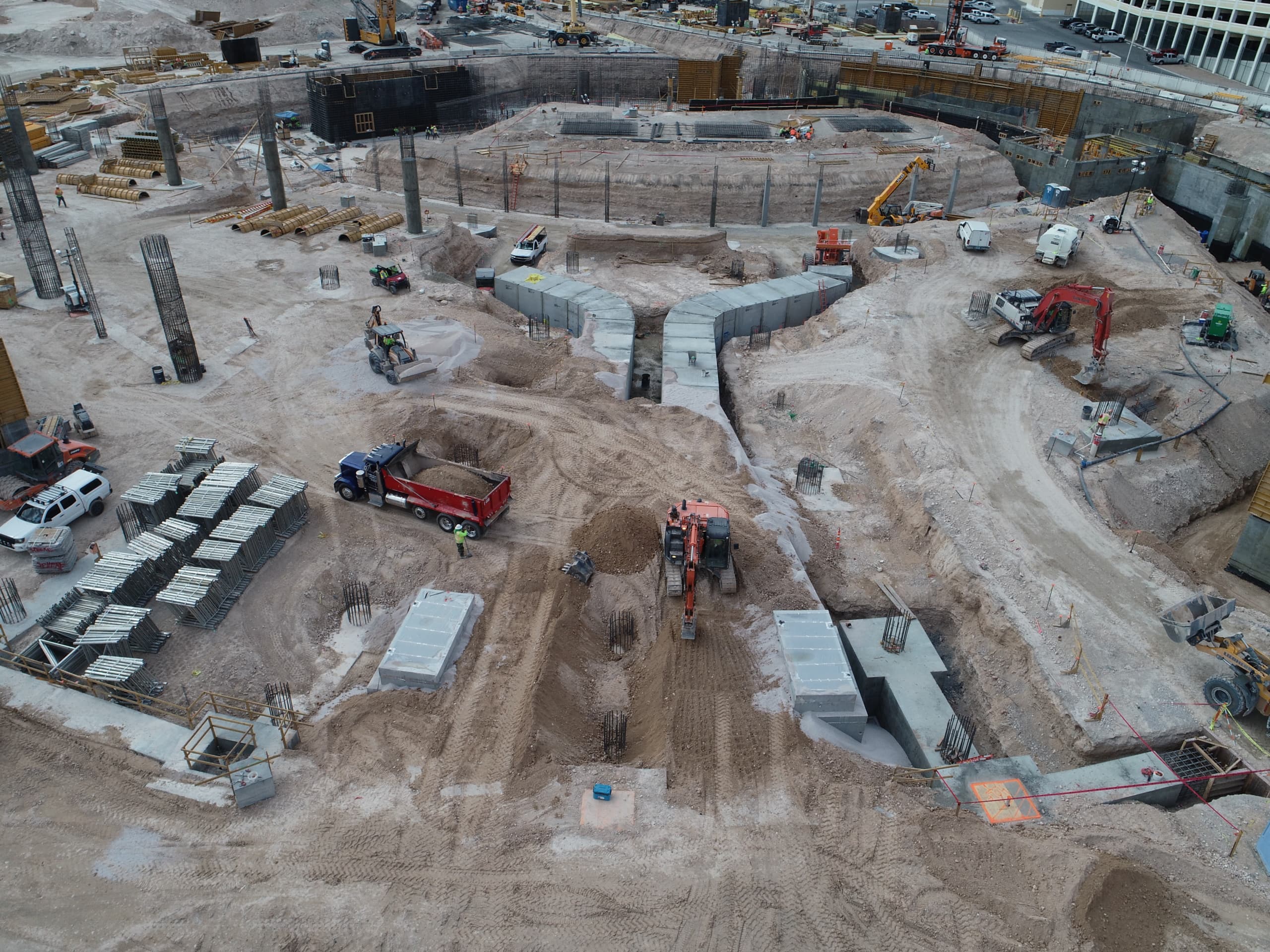
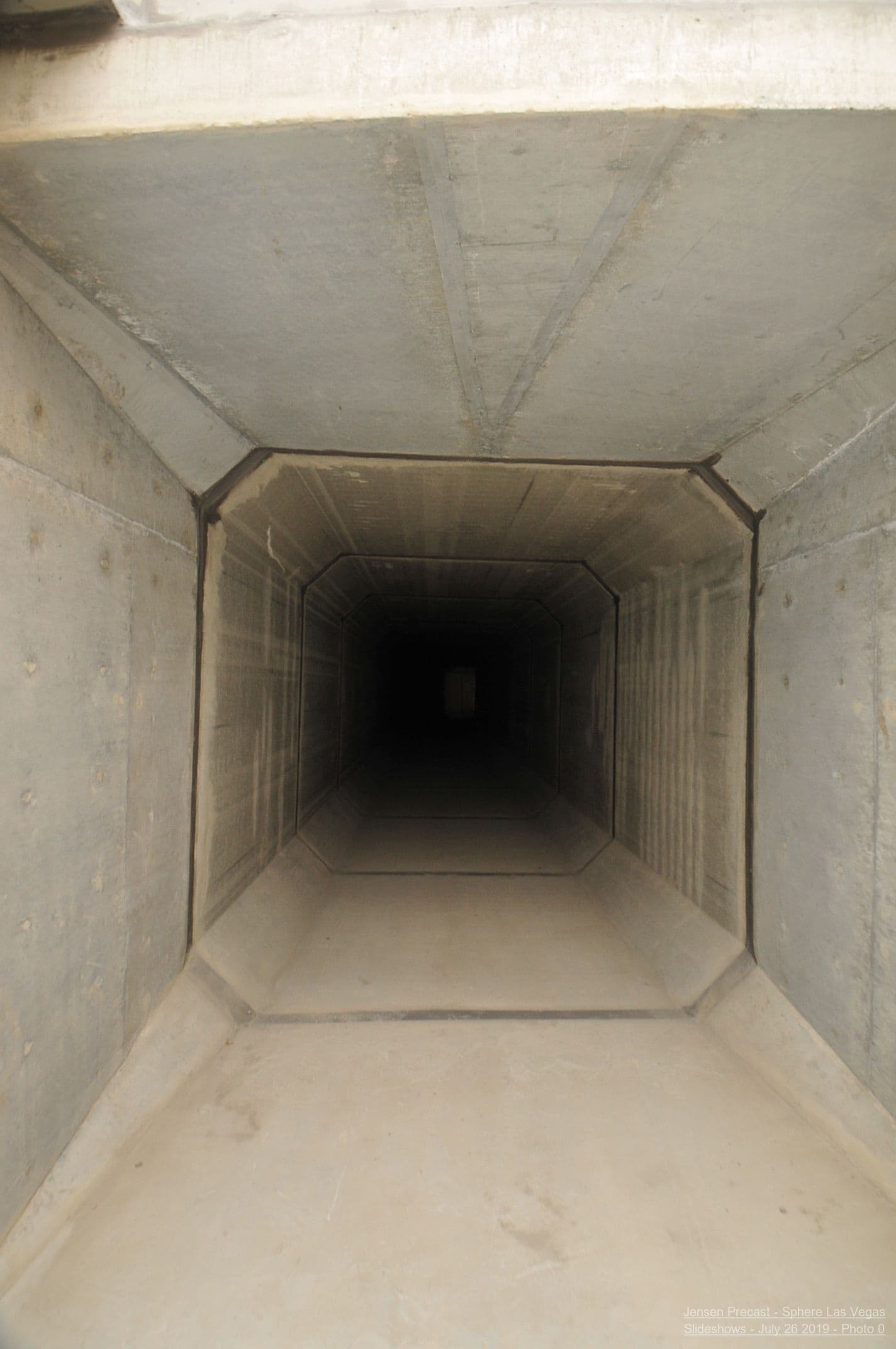
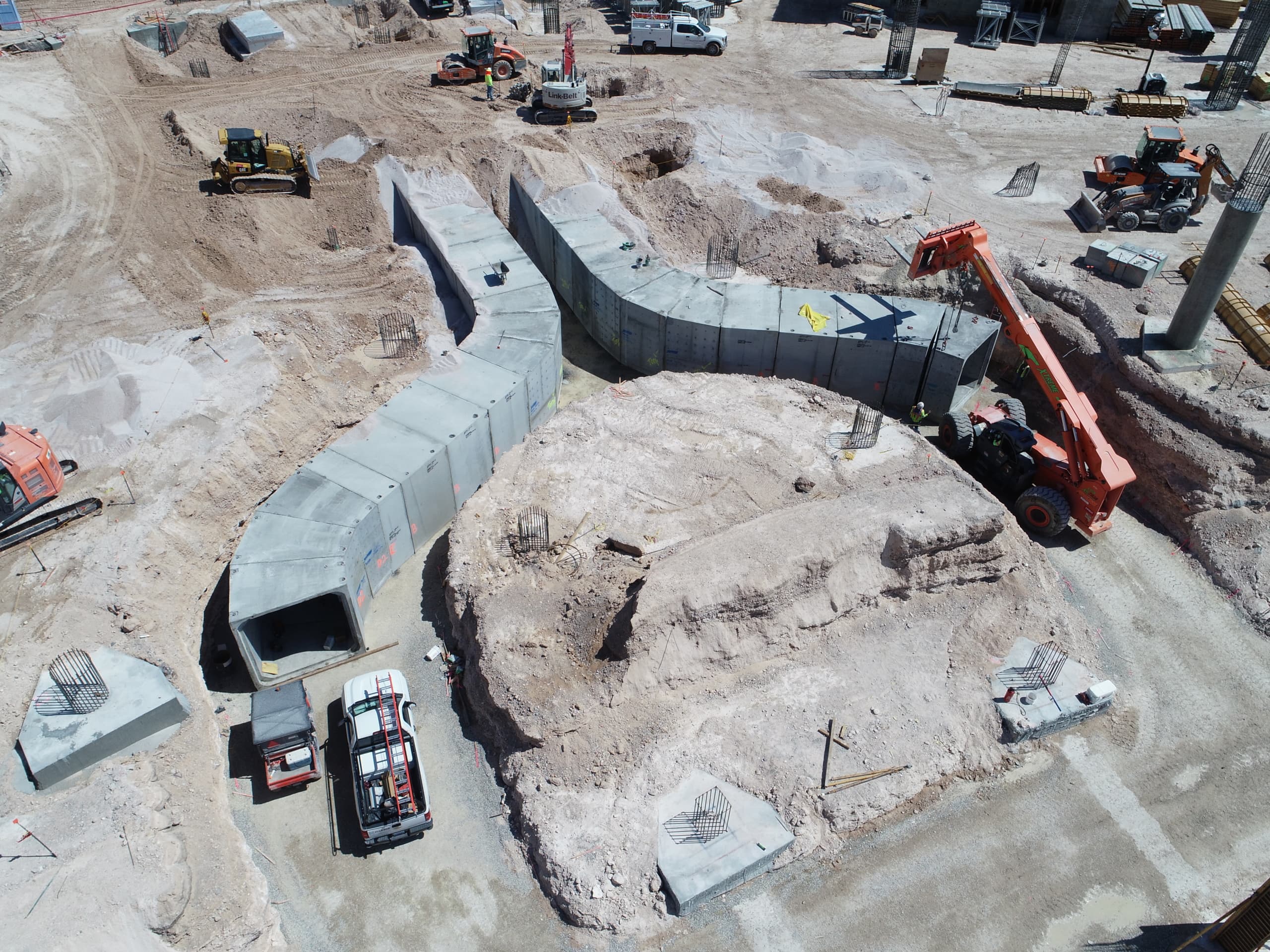
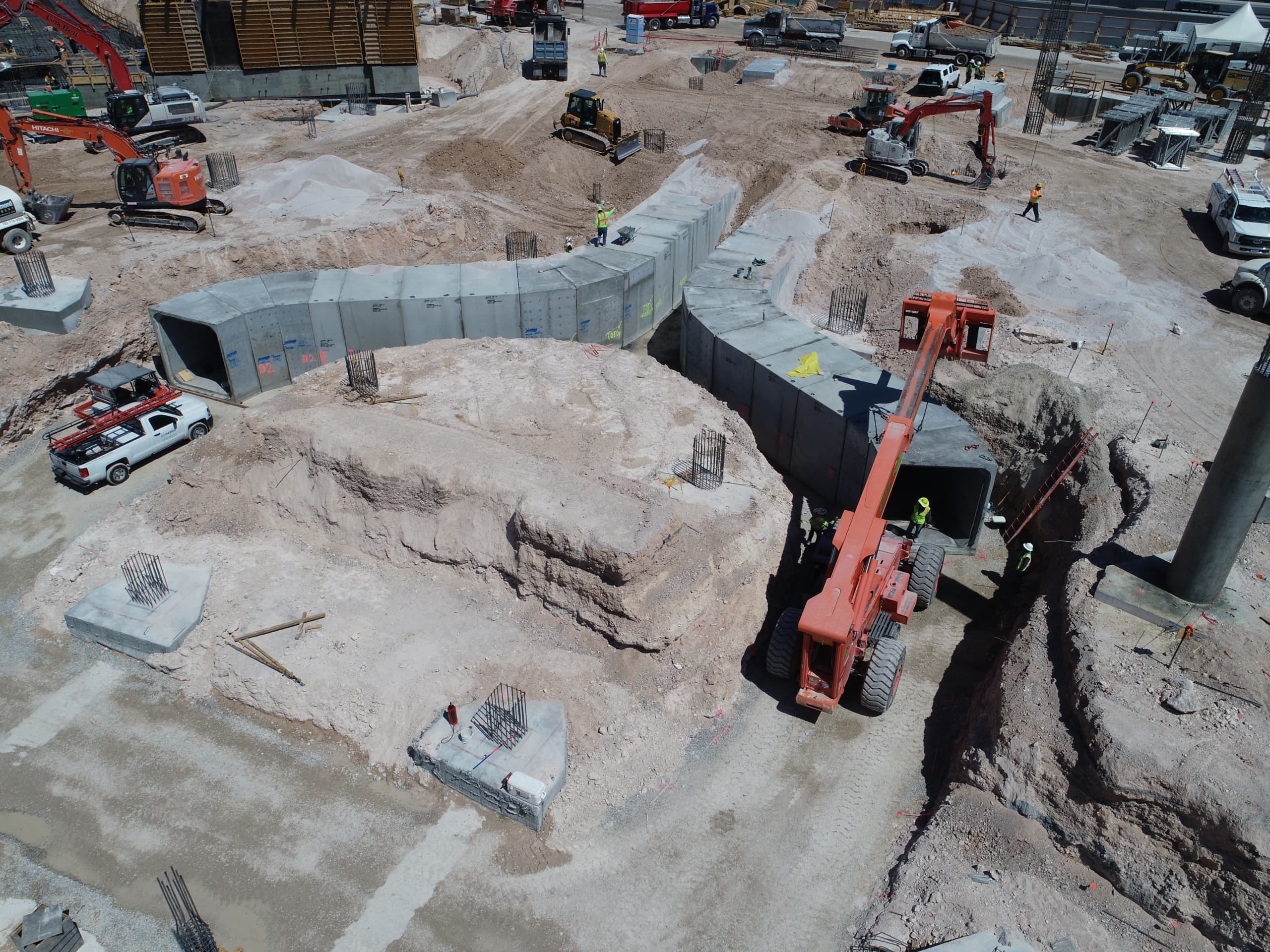
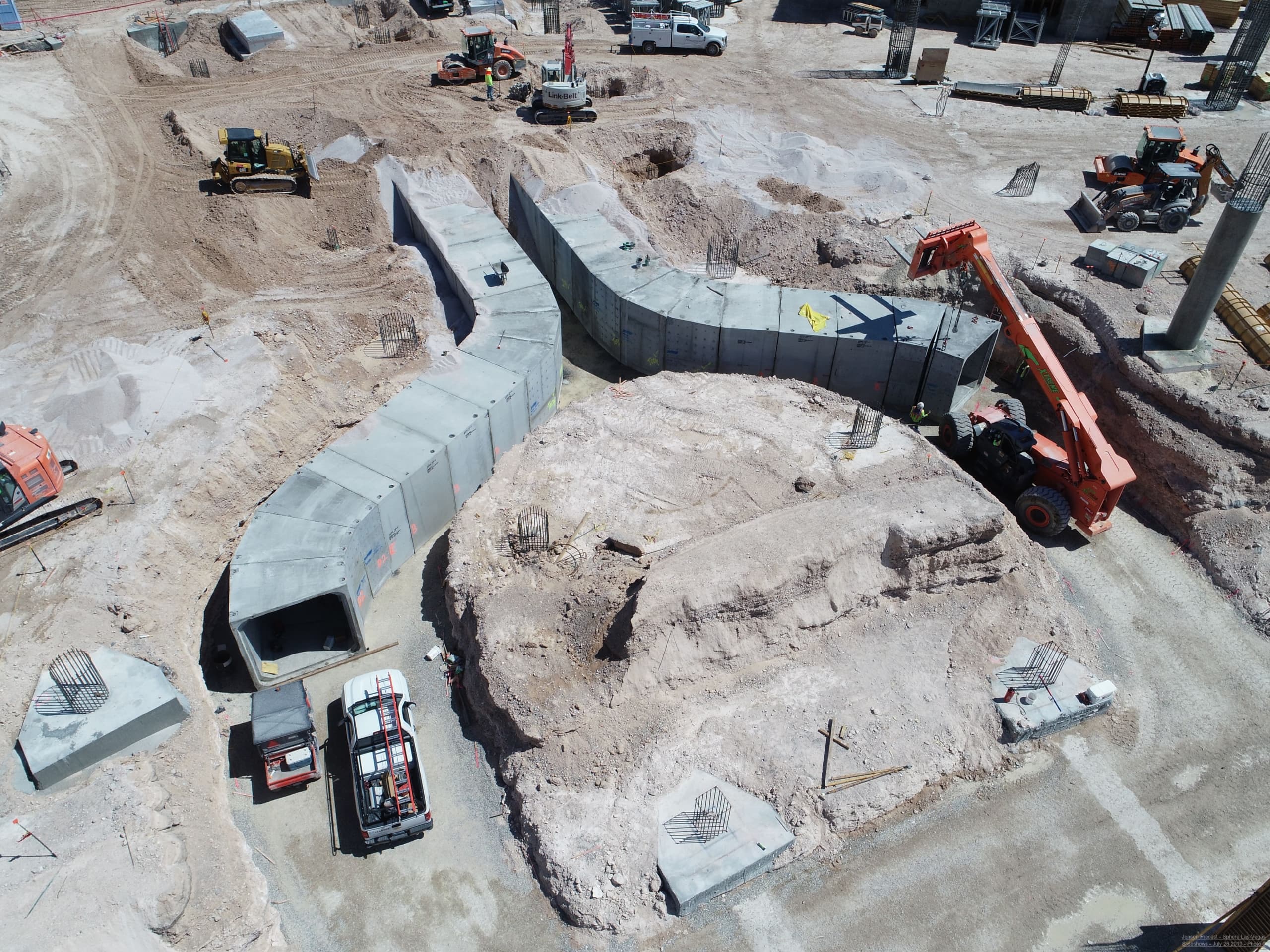
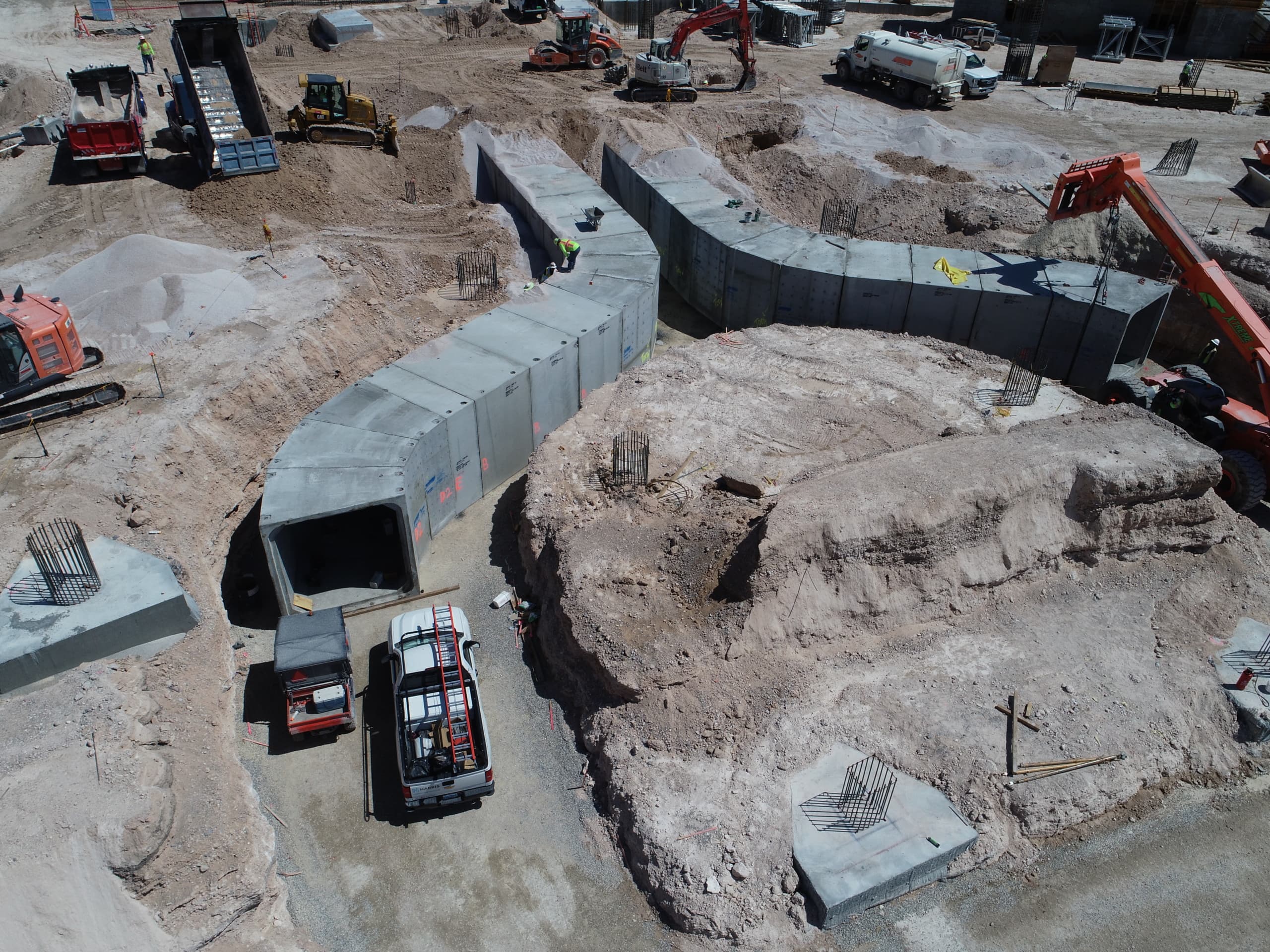
While MSG Sphere’s exterior will certainly leave an impression, the work taking place underground is just as technologically advanced. To power the HVAC system for the world’s largest spherical building, they needed a specialized air duct system, and precast was the building material for the job.
Initial plans specified a fiberglass solution. But according to Keith Stewart, senior project manager for Harris Company, the plumbing, piping, and HVAC subcontractor on the job, that approach had issues.
“To get the fiberglass ductwork in the timeframe originally specified wasn’t going to work,” Stewart said. “Additionally, workers were also going to be driving cranes over the ground where this ductwork was going in to keep the project moving and on schedule. The fiberglass couldn’t support this.”
The Harris team quickly pivoted, and the answer was precast concrete. Harris shifted gears and reached out to long-time partner Jensen to begin crafting an entirely new design.
Joshua Myers, vice president of operations and engineering for Jensen, explained the design, production, and installation timeline was extremely compressed. Matters were further complicated by the complex engineering required for the new precast system.
In the span of just a couple days, Jensen and Harris went from having an initial conversation to needing a layout design.
Myers added that laying out a project like this in 3D would typically take about 2 or 3 weeks. With only a few days to spare, he connected with his engineering manager and got straight to work on the air duct, which was designed to be the arena’s return air system – similar to what you’d see in a home, but on a massive scale.
Story by Mason Nichols. First appeared in Precast Solutions Magazine, Winter 2021. Republished courtesy of National Precast Concrete Association.
Managing Complexities
Jensen benefitted from an experienced team and multiple locations near the installation site when taking on the complex project. Collaboration between the Jensen teams involved with the work was key to delivering both a successful design and product.
“A big part of this operation was coordination,” said Tyler Haack, PE, vice president of operations for Jensen. “We had the Las Vegas plant, where the project was located, but we also had the Fontana plant in California involved. There was a great coordination and project management effort employed throughout the entire process.”
The air duct system was engineered using the design-build process, so the collaboration between Jensen and Harris was just as important. The two sides worked together diligently while sharing iterative designs.
“We’d draw a layout, ship it out to Harris, and then Harris would take our structure and insert it into the overall BIM model,” Myers said. “Then, we’d look at it to determine if we had enough clearance and what might need to move. Really, it was a lot of back and forth between us to get this done.”
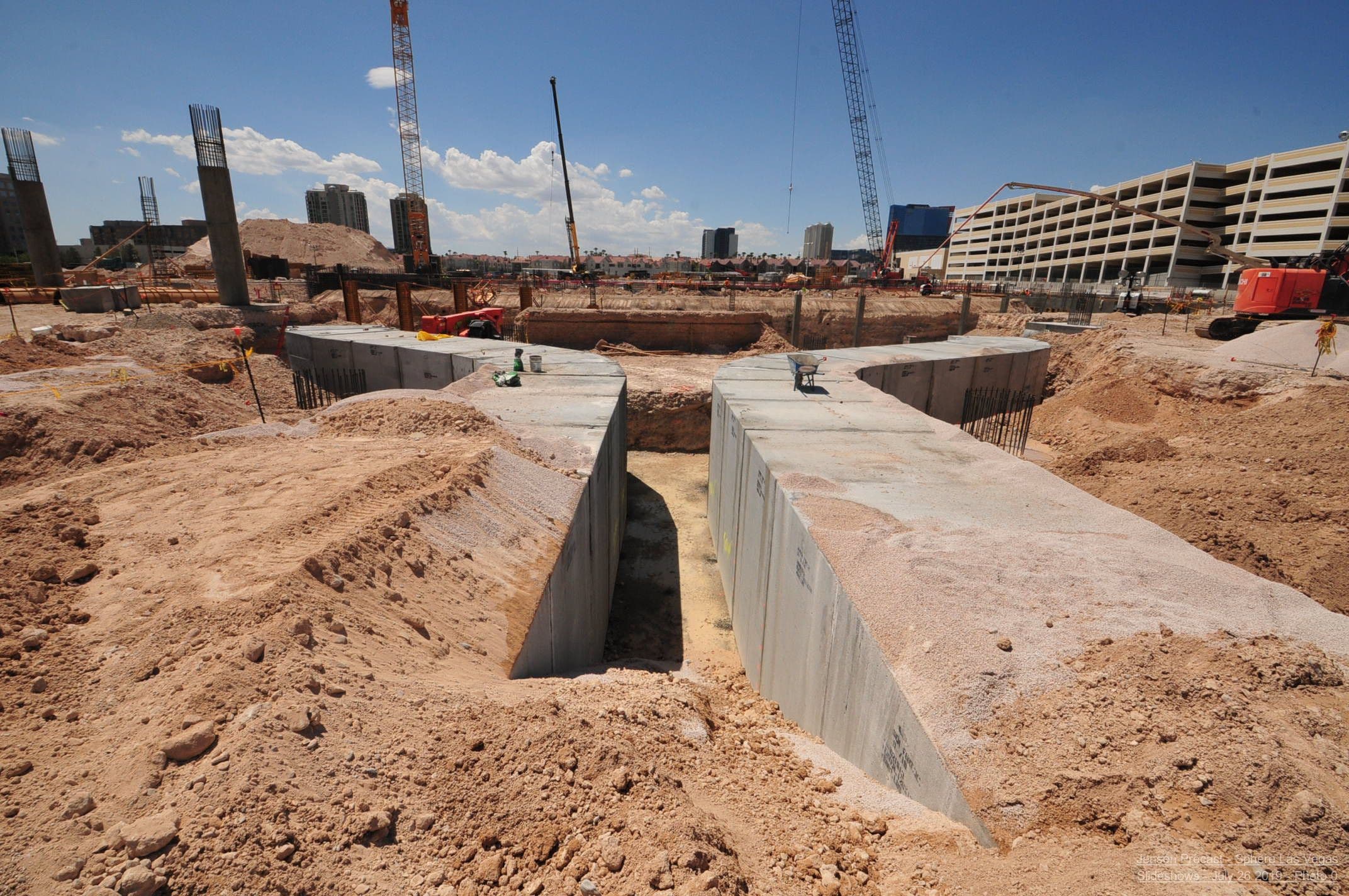
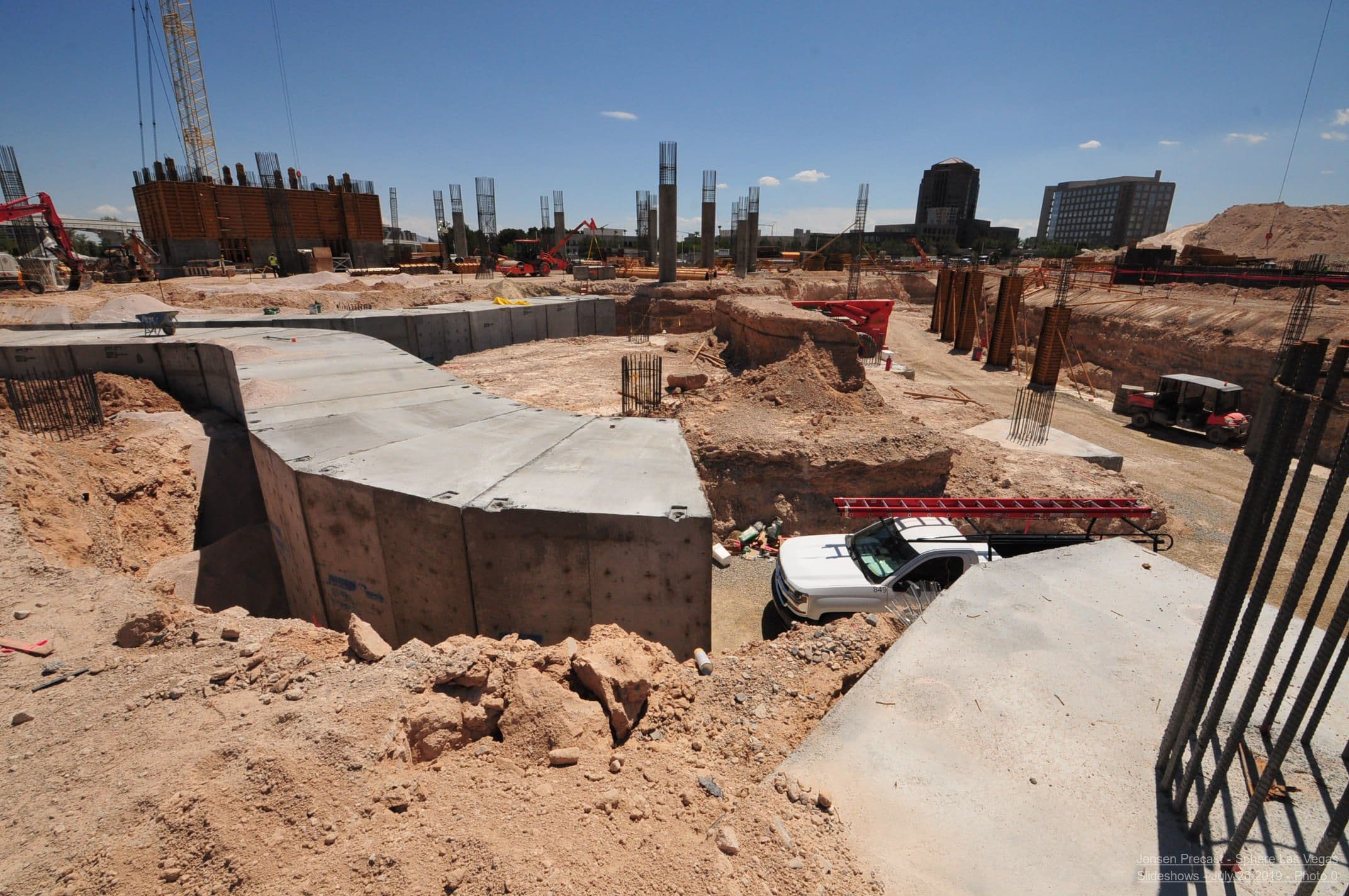
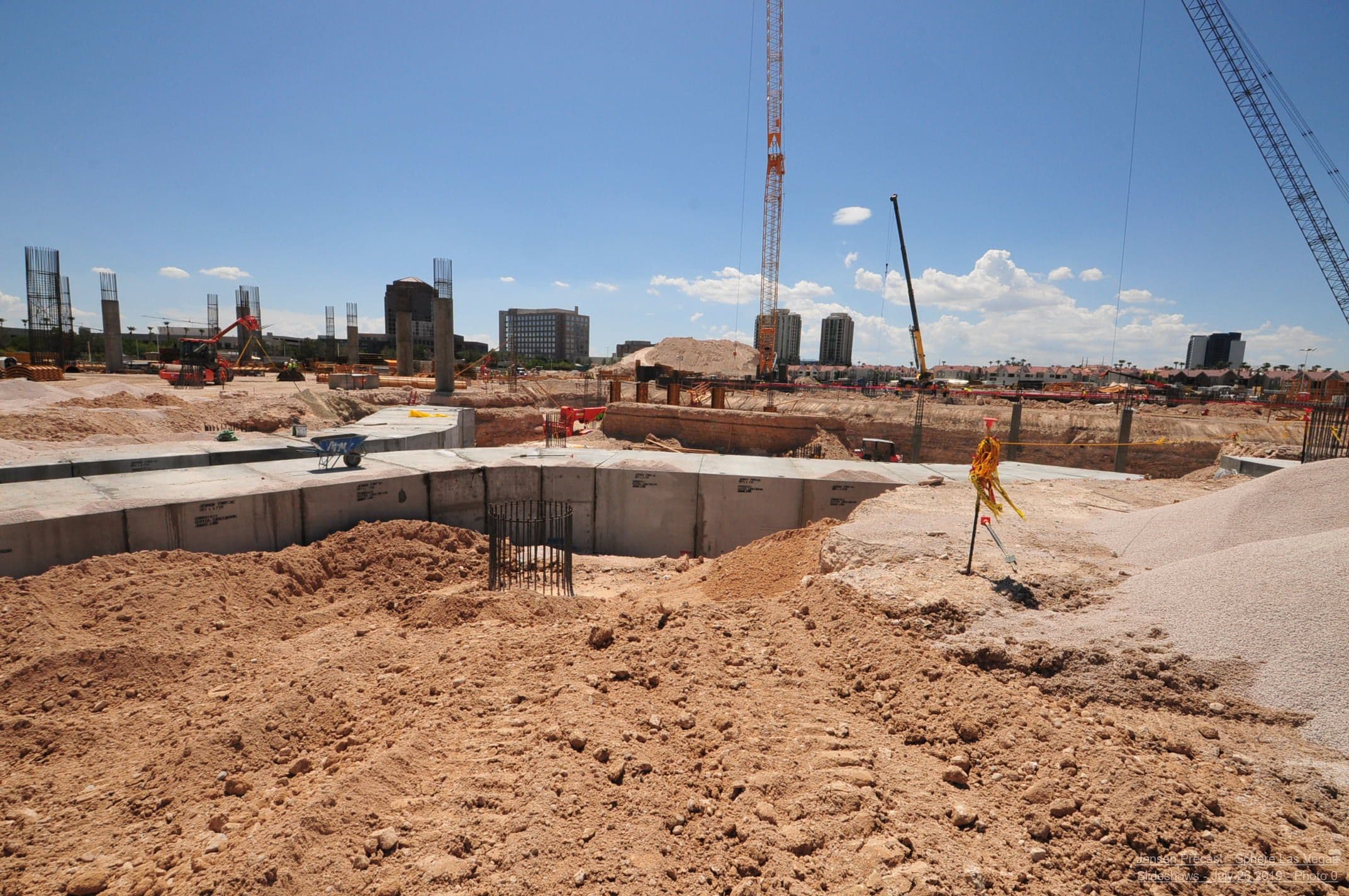
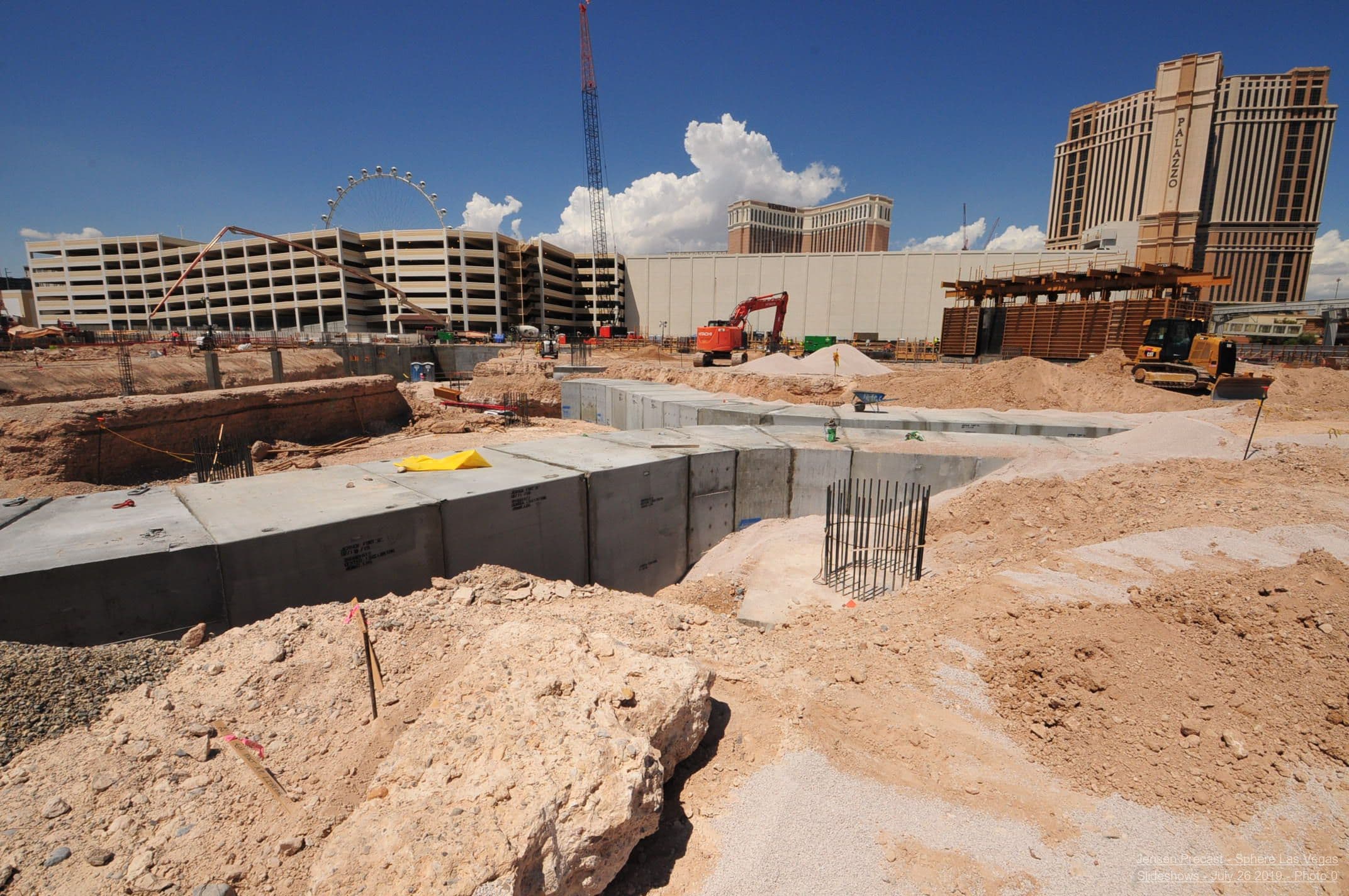
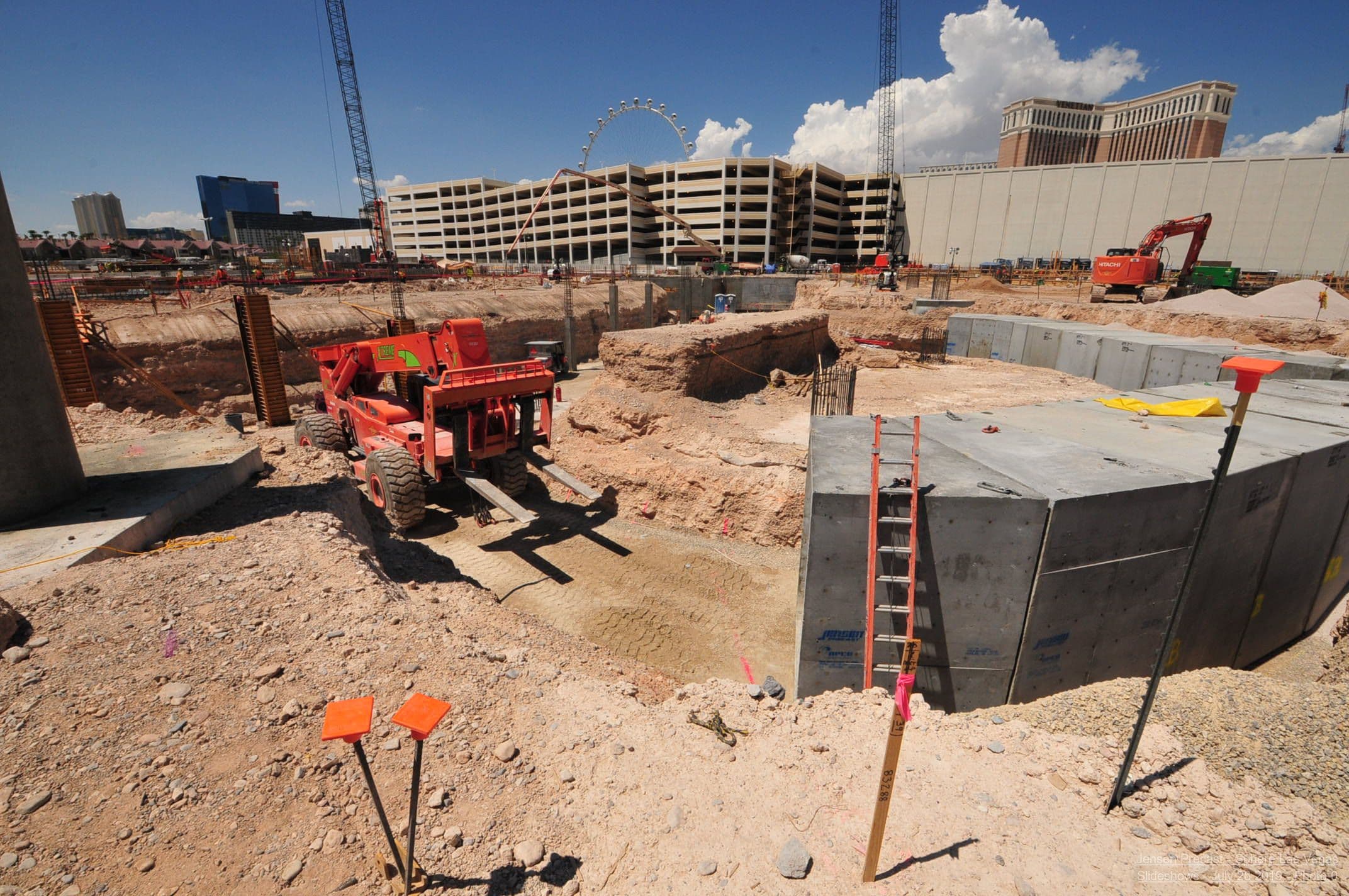
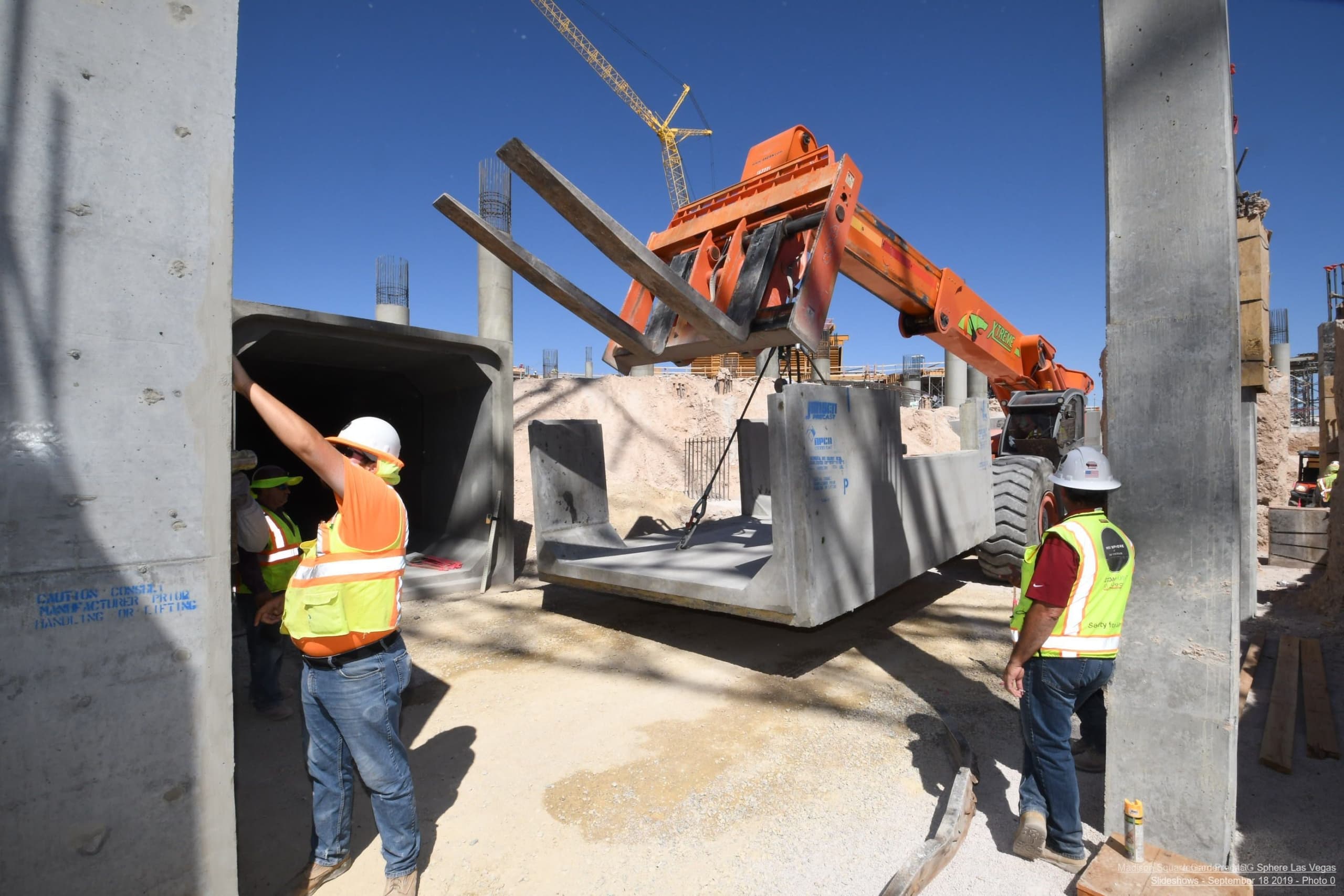
Ultimately, the two sides chose a precast box culvert solution that employs two different styles to help achieve the airtightness and curvature the air duct system required. Jensen manufactured more than 100 box culvert pieces for the arena, each measuring about 10’W x 10’H and weighing approximately 40,000 lbs. Pieces included mono-gasketed, dry-cast culvert structures that were manufactured out of the Fontana plant and match-cast culvert structures, which were primarily produced in Las Vegas. The custom match-cast pieces allowed for the atypical skews and complex joint transitions in the design.
The Jensen team also had to contend with the designed openings to ensure proper airflow.
“Putting large openings in a box completely affects that box’s structural integrity,” Myers said. “We had certain length requirements that we could do. For the gasketed boxes, our lay length was about 8′, limiting the type of hole we could put in that piece to about 3′ x 3′ or 4′ x 4′ without having to completely change the structural walls and massively increase the rebar.
All In On Precast
In Las Vegas, everything is about raising the stakes. Pushing the limits of what’s expected isn’t a rare occurrence, it’s the norm. It’s no surprise, then, that the MSG Sphere will revolutionize entertainment when it opens to the public in 2023. And Harris Company and Jensen can stand proud of their efforts, which collectively helped redefine how engineers and designers view box culverts moving forward.
“When we put our minds and talents together – both internally and externally with our partners – we can do some pretty amazing things,” Myers said.
Get a quote from Jensen for your next project now.
Browse Images
Play Video
Take the next step.
Talk with a Jensen expert to find the right solution for your project, or schedule a Lunch & Learn with our team.
Contact UsOr call us at 775-352-2700